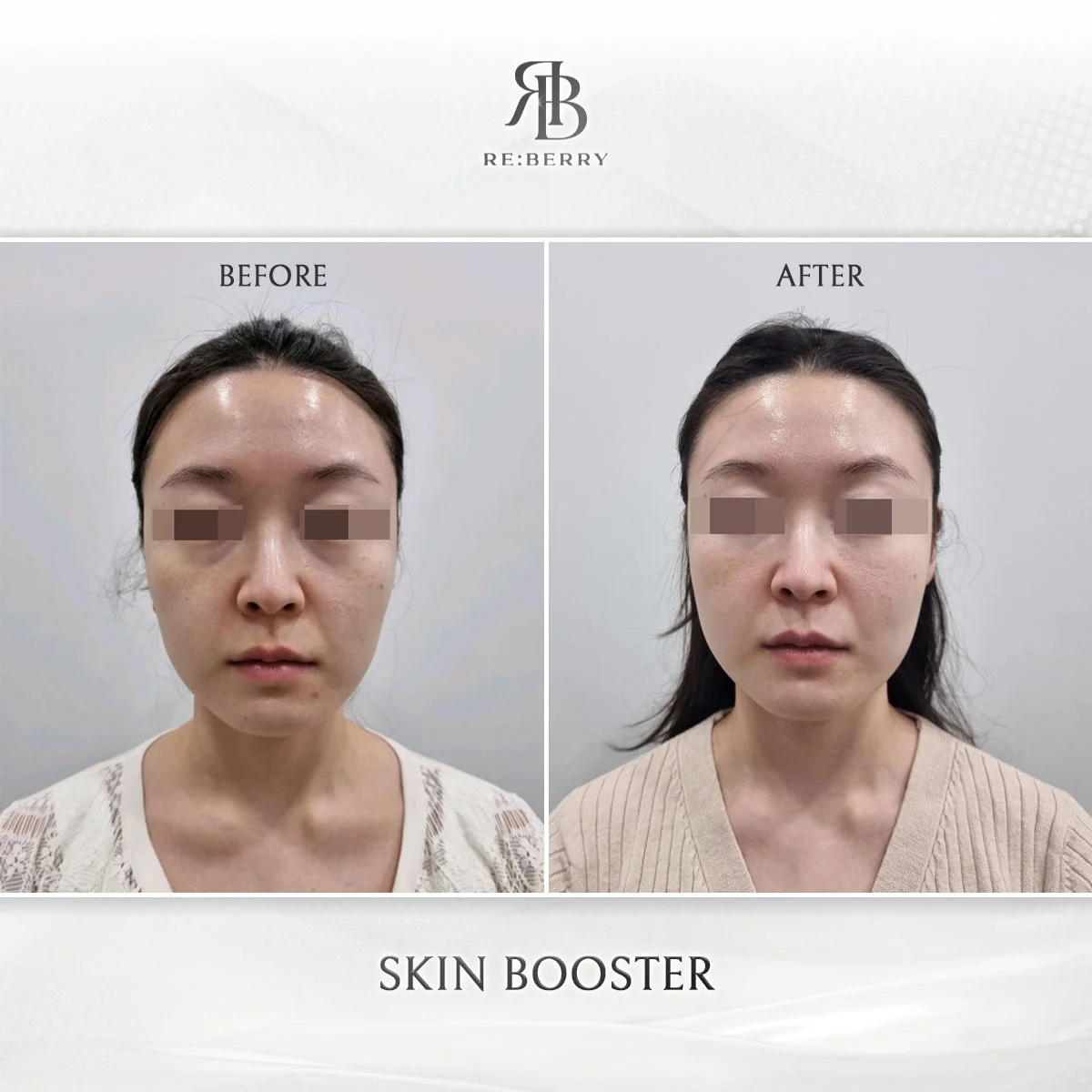
Laser Treatment Results: What to Realistically Expect
Laser treatment results depend on the specific laser type, treatment protocol, and skin concern being addressed. Korea's aesthetic clinics use several medical-grade laser platforms including PicoSure for pigmentation, Genesis for redness and texture, and Pico Fraxel for scarring and pore refinement. Each laser produces results on a different timeline, and understanding these patterns helps patients evaluate their progress accurately.
Toning Laser Results: PicoSure and Genesis
PicoSure toning delivers energy in 750-picosecond pulses, shattering melanin particles into fragments small enough for the body's lymphatic system to clear. Visible brightening begins after the 2nd or 3rd session, with measurable pigmentation reduction of 30-40% after completing a standard 5-session protocol. Genesis laser, operating at 1064nm wavelength, targets superficial blood vessels and stimulates collagen in the upper dermis. Redness reduction of 40-60% is typical after 3-5 Genesis sessions spaced 2-3 weeks apart.
How Long Laser Treatment Results Last
The longevity of laser treatment results varies by treatment type and post-care adherence. Toning results for pigmentation typically last 6-12 months before maintenance sessions are needed, depending on sun exposure habits. Collagen remodeling from fractional lasers like Pico Fraxel continues for 3-6 months after the final session, meaning results improve progressively even after the treatment course ends.
Pico Fraxel for Scarring and Pore Reduction
Pico Fraxel creates microscopic treatment zones covering approximately 5-15% of the skin surface per session, triggering controlled wound healing. Acne scar depth reduces by 25-35% after 3 sessions and 50-70% after a full 6-session course. Pore diameter shows measurable reduction starting at session 4. A study by Habbema et al. documented significant textural improvement using fractional picosecond technology across Fitzpatrick skin types III-V. Habbema L et al. Lasers Surg Med. 2014;46(8):601-606. doi:10.1002/lsm.22278
Factors That Affect Laser Treatment Outcomes
Several variables influence how effectively laser treatments deliver results. Skin type plays a significant role, as Fitzpatrick types IV-VI require adjusted energy settings and longer intervals between sessions to avoid post-inflammatory hyperpigmentation. An experienced aesthetic medicine specialist calibrates laser parameters based on real-time skin response during each session rather than relying on fixed protocols.
Sun exposure is the primary external factor affecting laser treatment results. UV radiation stimulates melanocyte activity and can reverse pigmentation improvements achieved through toning sessions. Patients who use SPF 50+ sunscreen daily and avoid direct sun exposure for 2 weeks after each session consistently achieve 20-30% better outcomes than those with inconsistent sun protection. Smoking reduces blood oxygen levels by 15-20%, slowing the collagen remodeling process that drives long-term improvement.
Maintenance Protocols After Completing Treatment
Sustaining laser treatment results requires a structured maintenance approach. For pigmentation toning, 1 session every 2-3 months after the initial course maintains brightness and prevents melanin re-accumulation. Collagen-stimulating treatments like Pico Fraxel benefit from 1-2 annual maintenance sessions to reinforce structural improvements. Korean clinics including RE:BERRY typically design a 12-month maintenance calendar during the initial consultation.
Between maintenance sessions, a consistent skincare routine amplifies and preserves results. Retinol at 0.25-0.5% concentration 3 times per week supports collagen turnover. Vitamin C serum at 15-20% concentration provides antioxidant protection against environmental damage. Niacinamide at 5% helps regulate melanin production between toning sessions. These active ingredients work synergistically with the structural changes created by laser treatment.
Evaluating Your Laser Treatment Progress
Accurate self-assessment requires standardized comparison conditions. Photograph treated areas under consistent lighting at the same time of day, ideally every 2 weeks throughout the treatment course. Expect gradual rather than dramatic changes between individual sessions. If improvement plateaus after 3 sessions, discuss protocol adjustments with the treating specialist. Options include increasing energy density by 10-15%, switching laser platforms, or adding combination treatments to address multiple skin layers simultaneously.